
2007 Headlines
The Economic Naturalist
In Search of Explanations for Everyday Enigmas
By Robert H. Frank
Book Release
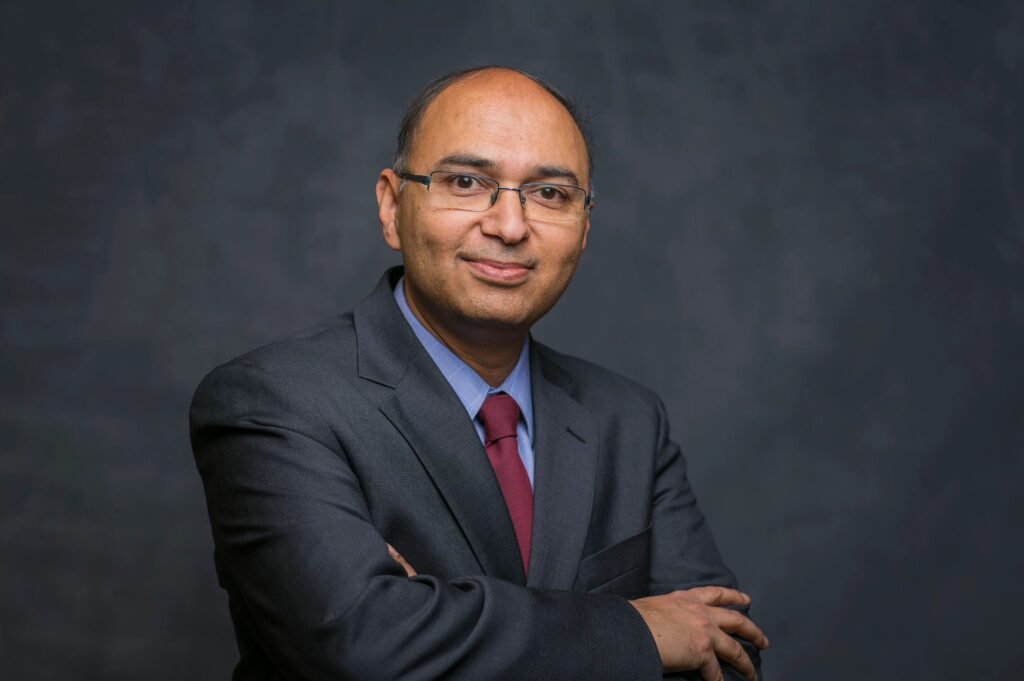
About Robert Frank
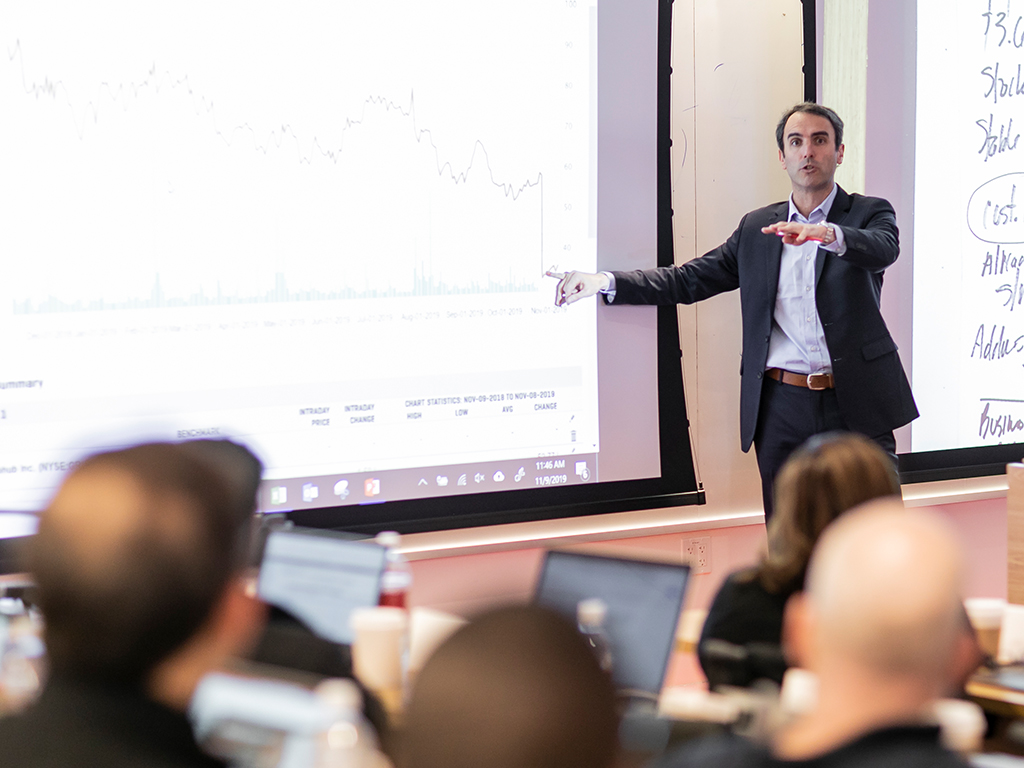
Robert Frank's lecture about The Economic Naturalist at Google's headquarters
Praise for The Economic Naturalist
Major Industries/Topics Discussed in The Economic Naturalist
Book Tour Dates & Locations
Recent Press Coverage
Watch a short video on The Economic Naturalist
Purchase a copy on amazon.com
Why do the keypads on drive-up cash machines have Braille dots? Why are round-trip fares from Orlando to Kansas City higher than those from Kansas City to Orlando?
For decades, Robert H. Frank has been asking his economics students to pose and answer questions like these as a way of discovering how economic principles operate in the real world. Once you learn to think like an economist, all kinds of puzzling observations start to make sense.
For example, drive-up ATM keypads have Braille dots simply because it's cheaper to make the same machine for both drive-up and walk-up locations. Travelers from Kansas City to Orlando pay less because they are usually price-sensitive tourists with many choices of destination, whereas travelers originating in Orlando typically choose Kansas City for specific family or business reasons.
In The Economic Naturalist: In Search of Explanations for Everyday Enigmas (Basic Books; June 2007), Frank shows readers how to apply basic economic principles to answer scores of intriguing questions from everyday life. Along the way he introduces a short list of the core ideas that do most of the heavy lifting in economics, such as the cost-benefit principle and the no-cash-on-the-table principle.
For anyone who's ever been curious about how the real world of commerce actually works, there is no more enjoyable way to grasp its core ideas than by reading The Economic Naturalist. Most of us learned economics as graphs and jargon, but it isn't that. Its real essence is a small set of simple and practical insights that you can see and apply every day. Next time you see locks on the doors of a 24-hour convenience store? Just remember, it's all economics.
About the author
Robert H. Frank is the Henrietta Johnson Louis Professor of Management and Professor of Economics at Cornell University's Johnson Graduate School of Management. His "Economic Scene" column appears each month in The New York Times. His previous books include The Winner-Take-All Society (with Philip Cook), Luxury Fever, and Principles of Economics (with Ben Bernanke). Frank's many awards include the Apple Distinguished Teaching Award and the Leontief Prize for Advancing the Frontiers of Economic Thought.
THE ECONOMIC NATURALIST
In Search of Explanations for Everyday Enigmas
By Robert H. Frank
Published by Basic Books
Publication date: May 21, 2007
Price: 26.00; Hardcover
ISBN: 978-0-465-00217-X
www.basicbooks.com
Praise for The Economic Naturalist
"Fascinating, mind-expanding, and lots of fun."
–Steven Pinker, author of The Blank Slate
"As amusing to read as one of Jay Leno's joke books, but Bob Frank's questions and answers are not jokes. They represent pithy observations about our economic lives that will give readers an appreciation of the real substance of economic reasoning."
–Robert J. Shiller, author of The New Financial Order and Irrational Exuberance
"Smart, snappy and delightful. Bob Frank is one of America's best writers on economics."
–Tyler Cowen, New York Times columnist and author of What Price Fame?
"The book is a real eye-opener, not only with regard to the mysteries of economic decision-making, but also because of the connection with the evolution of the human primate."
–Frans de Waal, author of Our Inner Ape and Chimpanzee Politics
Major industries/topics discussed in The Economic Naturalist
Education
Despite the hundreds of millions of dollars spent on introductory economics courses, evidence suggests that students don't take any lasting knowledge away from them. The Economic Naturalist suggests how to remedy this problem. Other educational questions include:
- Why top-ranked universities have the same tuition as lesser-ranked ones
- Why no top-ranked universities are for-profit
- Why many schools require school uniforms
- Why many schools no longer name a valedictorian
- Why most states enforce mandatory kindergarten start dates
- Why humanities professors often write so unclearly
Automotive
- Why engine displacements are smaller in Europe
- Why the proportion of luxury cars on the road is higher in Singapore than in the U.S
- Why pedestrians are fined for jaywalking in Rome but not in New York
- Why fuel filler doors aren't always on the same side of the car
- Why an accident in the southbound lanes of a divided highway causes a traffic jam in the northbound lanes
Environmental
- Why pollution is a more serious problem in the Mediterranean than in the Great Salt Lake
- Why the fall of the former Soviet Union spelled gloom for caviar lovers
Sports
- Why team managers and coaches wear uniforms only in baseball
- Why American men fare so badly in soccer, and why American women fare so much better
- Why hockey players favor helmet rules even thought they always skate without helmets in the absence of rules
- Why rookies of the year often have a mediocre second season
Women and Fashion
- Why female models earn so much more than male models
- Why super-thin models were banned in Madrid
- Why women endure the injury and discomfort of high heels
- Why Victoria's Secret offers multi-million-dollar bejeweled bras that no one buys
- Why coyness is often considered such an attractive attribute
- Why it's easier to find a partner if you already have one
- Why predominantly male legislators outlaw polygamy
- Why physically attractive people are also more intelligent
Bridal
- Why brides buy and grooms rent
- Why people are marrying later
- Why rural couples marry earlier
- Why Japanese couples spend twice as much on their weddings as American couples
Psychology
- Why people think Cornell has a high suicide rate, even though its rate is only half the national average
- Why real estate agents often show clients a second house that is both more expensive and in worse condition than the first
- Why some firms give employees a "free" BMW rather than an equivalent bonus in cash
- Why kamikaze pilots wore helmets
New York
- Why New Yorkers tend to be impatient
- Why New York taxis are yellow
- Why taxi rates include a big fixed charge
- Why a liter bottle of water costs four times as much from the minibar at the Parker Meridian Hotel as at the Duane Reade drugstore across the street
Business/Finance
- Why $20,000 cars rent for $40 a day while $500 tuxedos rent for $90
- Why brown eggs are more expensive than white ones
- Why many fast food restaurants offer free meals if you aren't given a receipt
- Why an appliance retailer might hammer dents into its own appliances
- Why airlines charge a premium for last-minute tickets while Broadway theaters sell them at a discount
- Why round-trip fares between Kansas City and Orlando are lower if you start in Orlando
- Why Disney World doesn't charge extra for rides with perennial waiting lines
- Why rental car companies, unlike hotels and airlines, don't charge cancellation penalties
- Why managers often overestimate the efficacy of blame and underestimate the efficacy of praise
Technology
- Why black Apple° MacBook laptop costs significantly more than its otherwise identical white one
- Why software makers give away programs worth more than the machines that run them
- Why obscure books and films recently gained a new lease on life
Music
- Why more popular CDs sell for less
- Why indie musicians favor file sharing and established stars oppose it
- Why CDs use the same format worldwide and DVDs use different formats in different countries
- Why CDs and DVDs come in different size cases, even though the discs are exactly the same size
Advertising
- Book tour for Robert H. Frank
- Tuesday, May 22nd - New York, NY
Cornell Club lunch event for reporters - Wednesday, May 23rd - Washington, DC
12:30 pm Treasury Executive Institute/U.S. Mint event
Evening Cornell Alumni event - talk and signing - Thursday, May 24th - Washington, DC
12:00 pm National Economists Club - talk and signing - Tuesday, May 26th - Ithaca, NY
Cornell Bookstore - signing - Saturday, June 9th - Ithaca, NY
Cornell University Alumni Reunion - talk & signing - Monday, June 18th - Chicago, IL
Extension 720 with Milt Rosenberg (WGN-AM/NPR) - Monday, July 23rd - San Francisco, CA
Google - talk & signing - Wednesday, July 25th - Seattle, WA
7:00 pm University Bookstore - talk & signing - Thursday, July 26th - Seattle, WA
7:30 am Seattle Chamber of Commerce - breakfast talk & signing
Recent Press for The Economic Naturalist
On the Trail of Economic Oddities
BusinessWeek - May 21, 2007
Robert Frank, professor of economics, is interviewed about his latest book and his hope that readers can become "economic naturalists" by the time they've finished the book.